Whoa!
I started poking at browser wallets last year as I jumped between chains and dApps.
My instinct said somethin’ was off with how most handled permissions and approvals.
Initially I thought a browser extension wallet was a solved problem, but as I tested across chains and dApps—especially those with odd permission flows and gas quirks—I realized the UX and security trade-offs are still messy for everyday users.
That realization sent me down a rabbit hole, honestly.
Seriously?
I imported keys, spun up accounts, and intentionally mis-clicked things to see failure modes.
Some extensions froze, others showed baffling token balances that made no sense at first glance.
On one hand the multi-chain dream—one wallet to handle Ethereum, BSC, Polygon, Fantom and other EVM chains—sounds convenient; though actually the implementation often leaks metadata or prompts approvals that users don’t understand, which is alarming when you think about front-running and MEV risks.
So I dug deeper into wallets that claimed true multi-chain support.
Hmm…
A few projects kept popping up in chats and on dev forums.
Rabby kept poppin’ up in conversations with people I trust, from a dev in NYC to a security lead in the Valley.
Initially I thought it might be just hype from influencers, but then I noticed specific features—like granular permission controls, a readable transaction builder, and phishing protection hooks—that suggested a product designed by people who actually used wallets daily rather than just built a shiny UI.
I grabbed it and started stress testing flows right away.
Wow!
Installation was smooth on Chrome and Brave for me.
The UI felt familiar enough that switching wasn’t painful.
Actually, wait—let me rephrase that: it borrows the familiarity you want so you don’t feel lost, but layers in protections and multi-chain switching that reduce risky copy-paste behavior and lower cognitive load during transactions, which in practice reduces user error.
Security folks would call that reducing attack surface.
Here’s the thing.
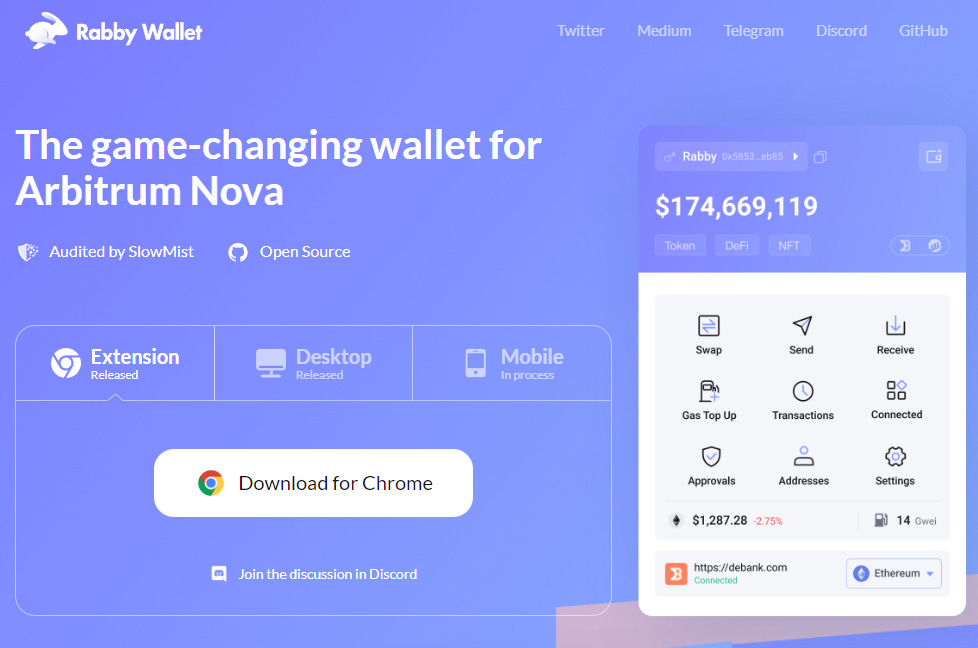
Check this out—I’ll show a screenshot from my test session below so you can see what I mean.
You can see transaction details expanded before approval, making allowances and target addresses visible.
When a dApp requests approvals the dialog surfaces token data, allowance scope, and suggested gas, which lets you spot overbroad approvals or suspicious fallback addresses before the gas is spent and the transaction is irrevocable.
That simple change saved me from several scary moments.
How I installed it and why that mattered
Okay, so check this out—if you want to try a multi-chain extension, do it cautiously.
I used the installer from rabby wallet and then verified the extension ID against the project’s docs before accepting permissions.
When you install, take the extra minute to verify the extension ID or checksum, create a hardware-backed account when possible, and write down your seed in a safe offline place, because these steps dramatically reduce the risk of being drained—especially when you test new chains or experimental dApps.
Also, don’t reuse passwords across services; tangential but true.
My instinct said more than convenience matters.
Rabby supports many EVM chains out of the box and makes network switching explicit.
It also isolates accounts so you can separate funds by purpose.
On deeper inspection the wallet’s approach to connection management—allowing per-site account selection and quick disconnects—reduces persistent dApp linkages that often expose users’ on-chain behavior and link wallets to tracking vectors.
That matters if you care about privacy.
I’m biased, but I care about preventing dumb, recoverable mistakes.
I work with users who panic over large approvals and lost funds all the time.
The usual story is a confusing UI, a rushed click, then a frantic scramble.
So I appreciate features that are plain to understand, like the permission revocation flow, which is accessible without digging through explorer tools—meaning a normal user can undo unsafe approvals instead of calling support or asking in a telegram chat.
Those small UX wins are very very meaningful.
Whoa!
There are caveats, of course.
Rabby’s multi-chain reach mostly covers EVM-compatible chains.
If your workflow includes Solana or other non-EVM chains you’ll need additional tools or bridges, and bridging introduces its own smart-contract and custodial risks, which reminds you that no single tool fixes all threats.
Know your threat model before moving large amounts.
Seriously, though.
I once watched a colleague send funds to the wrong chain and lose a swap entirely.
It was a chain-mismatch mistake that cost time and money.
After that, we adopted a checklist—confirm network, confirm token contract address, confirm recipient—so each transfer takes longer but feels safer, and wallets that help automate or make those confirmations obvious can prevent those expensive errors.
Rabby helped with some of those checks during my tests.
Hmm…
So what’s my takeaway after weeks of testing across different dApps and chains?
Rabby isn’t perfect and no wallet will be perfect forever.
Initially I expected a single-vendor solution to be flawless, but then realized that ongoing community audits, responsible disclosure policies, and active development are as valuable as any feature list—because security evolves and so do adversaries.
I’m encouraged though; the direction feels practical, and the team seems focused on usable safety.
I’ll be honest.
If you value multi-chain convenience with sensible defaults, try an extension like this with a small amount first.
Keep your bulk funds in a hardware wallet or cold storage for anything serious.
And remember, a browser extension is a high-value target—so combine it with hardware and good habits, and spend time learning how approvals work rather than blindly clicking allow, because habitually approving is how smart contracts eat your funds.
Stay curious, stay skeptical, and don’t be afraid to ask questions in community channels when somethin’ looks weird…
FAQ
Is Rabby safe for regular use?
It has strong UX-focused protections and multi-chain support, but safety depends on your practices—use hardware accounts for large amounts and verify extensions before installing.
Does it support non-EVM chains?
Not natively; Rabby is primarily EVM-focused, so you’ll need separate tools for chains like Solana or others outside the EVM family.